
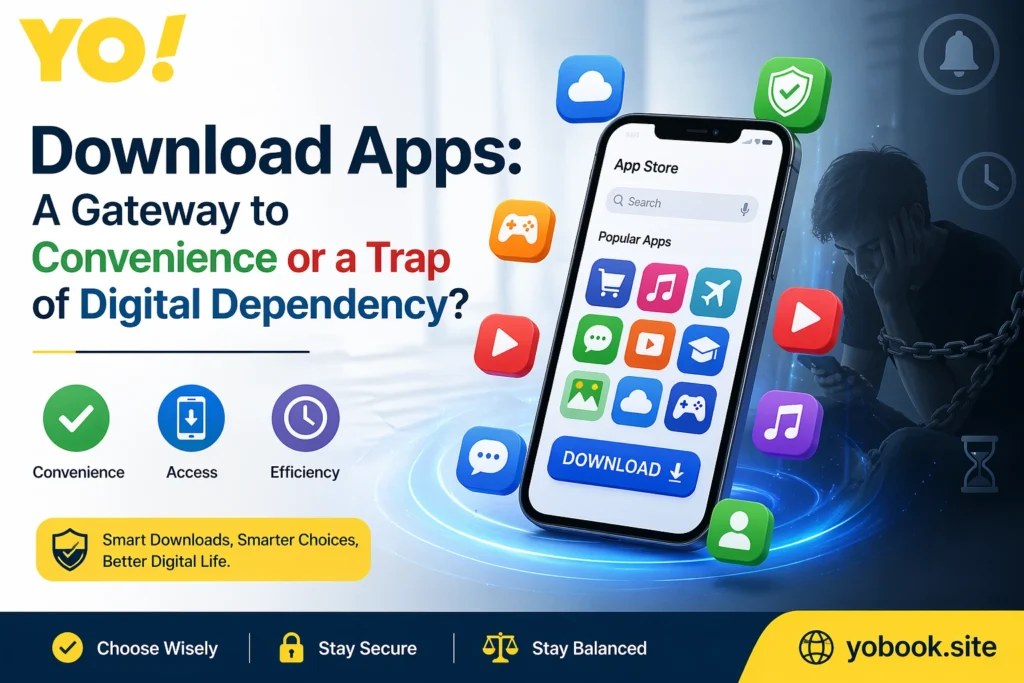
Introduction: The Power and Paradox of “Download App”
In the modern digital landscape, the phrase “download app” has become one of the most frequently used actions in everyday life. With just a tap on a screen, people unlock access to services, tools, and experiences that were once unimaginable. From ordering food and managing finances to learning new skills and staying connected with loved ones, apps have seamlessly integrated into almost every aspect of human activity. What once required time, effort, and physical presence can now be accomplished within seconds, making app downloads a defining feature of the digital age.
The rise of smartphones played a crucial role in this transformation. As mobile devices became more powerful and affordable, they turned into personal hubs of convenience. App stores emerged as vast marketplaces, offering millions of options tailored to diverse needs and preferences. Whether someone wants to improve productivity, track fitness goals, explore entertainment, or build a business, there is almost always an app ready to be downloaded. This accessibility has not only simplified life but also empowered individuals by putting powerful tools directly into their hands.
However, the act of choosing to download an app is not always as simple as it appears. Behind the convenience lies a complex ecosystem driven by data, algorithms, and user behavior. Every app is designed with a purpose, and often that purpose extends beyond just helping the user. Many apps rely on collecting personal data to function effectively or to generate revenue through advertising and subscriptions. As a result, users often trade privacy for convenience without fully realizing the implications.
At the same time, the growing dependence on apps raises concerns about digital habits and lifestyle changes. People are increasingly relying on apps to perform even the simplest tasks, reducing the need for independent thinking or real-world interaction. The constant availability of apps can lead to overuse, where individuals find themselves spending hours scrolling, tapping, and engaging with digital content. This shift has sparked debates about whether apps are enhancing human life or quietly reshaping it in ways that may not always be beneficial.
Despite these concerns, it is impossible to ignore the immense value that apps bring. They have revolutionized industries, created new economic opportunities, and connected people across the globe in ways that were once impossible. The ability to download an app has become a gateway to innovation, enabling users to adapt to a rapidly changing world with ease.
This dual nature of apps—offering both empowerment and risk—makes the topic worth exploring in depth. Understanding the true impact of the “download app” culture is essential for making informed decisions in a world where digital choices shape daily life. As technology continues to evolve, the way we approach app downloads will play a significant role in defining our relationship with the digital world.
The Evolution of “Download App”: From Luxury to Daily Necessity
Not long ago, the idea of downloading an app was considered a novelty. Early mobile phones were limited in function, offering only basic tools like calling, texting, and perhaps a few built-in games. The concept of installing external applications was either nonexistent or highly restricted. However, as technology advanced and smartphones entered the mainstream, the meaning of “download app” began to evolve rapidly—from a luxury feature to an everyday necessity.
The launch of modern app ecosystems marked a turning point. App stores introduced a centralized platform where users could easily discover, install, and update applications. This eliminated the need for complicated installations and made technology more accessible to the average person. Suddenly, users were no longer dependent on pre-installed features; they could customize their devices according to their personal needs and preferences.
As internet connectivity improved, particularly with the expansion of high-speed mobile data, downloading apps became faster and more seamless. This convenience encouraged users to explore more options, leading to a surge in app consumption. People began to rely on apps not just for entertainment, but for essential services like banking, navigation, healthcare, and education. The phrase “download app” gradually shifted from being optional to almost mandatory in certain situations.
One of the most significant factors driving this evolution is the demand for instant solutions. In a fast-paced world, people value speed and efficiency. Apps fulfill this demand by providing immediate access to services. Instead of visiting a physical store, users can shop online. Instead of waiting for assistance, they can find answers through apps. This instant gratification has reshaped expectations, making convenience a standard rather than a privilege.
Businesses quickly recognized this shift and adapted accordingly. Companies began investing heavily in app development to reach customers directly. Having a mobile app is no longer just an advantage—it is often a necessity for survival in competitive markets. From small startups to global corporations, organizations use apps to enhance customer experience, build brand loyalty, and generate revenue.
At the same time, the evolution of app downloads has influenced user behavior in profound ways. People now expect everything to be available at their fingertips. This has led to shorter attention spans and a preference for quick, easy-to-use solutions. The willingness to download multiple apps for different purposes reflects a growing reliance on digital tools to manage daily life.
Another important aspect of this evolution is personalization. Modern apps are designed to adapt to individual users, offering tailored experiences based on preferences, habits, and data. This makes apps more engaging and useful, but it also raises questions about how much data is being collected and how it is being used.
Despite the many advantages, the normalization of downloading apps has also introduced new challenges. Users often install apps without fully considering their necessity or impact. Over time, this can lead to digital clutter, reduced device performance, and increased exposure to security risks.
In essence, the journey of the “download app” concept reflects the broader transformation of technology in society. What started as a simple feature has grown into a fundamental part of modern living. Understanding this evolution helps us appreciate both the opportunities it presents and the responsibilities it demands.
Why People Instantly Choose to Download App: The Psychology Behind the Click
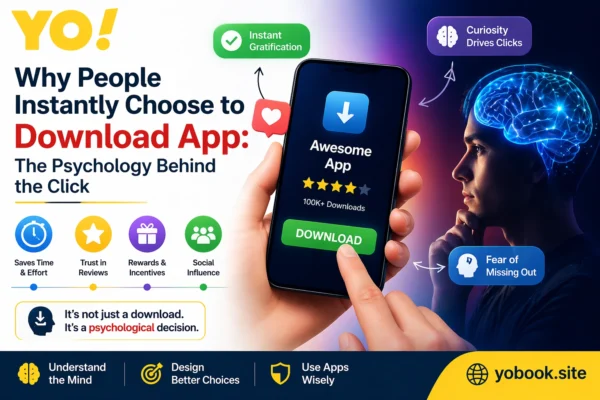
In today’s fast-moving digital environment, the decision to download app is rarely random. It is deeply influenced by human psychology, behavioral triggers, and the design strategies used by app developers. Every time a user chooses to download app, there is a combination of curiosity, need, and emotional response driving that action. Understanding these factors explains why the “download app” trend continues to grow at an unstoppable pace.
One of the strongest reasons people download app options is the desire for instant gratification. Modern users expect quick solutions, and when they see an app promising convenience, speed, or entertainment, they are naturally inclined to act immediately. The simplicity of tapping a button to download app makes the process effortless, removing any barriers that might have existed in traditional systems.
Another major factor is visual appeal and presentation. App stores are carefully designed to encourage users to download app listings that stand out. Bright icons, engaging screenshots, and persuasive descriptions all work together to capture attention. When users scroll through options, they are more likely to download app choices that look professional, trustworthy, and beneficial.
Social proof also plays a critical role in the decision to download app services. Ratings, reviews, and download counts influence user trust. When an app has millions of downloads and high ratings, it signals reliability. People feel more comfortable choosing to download app platforms that others have already approved. This herd mentality reduces hesitation and increases confidence in the decision.
The fear of missing out (FOMO) is another powerful trigger. When users see trending apps or hear about popular platforms, they feel compelled to download app versions just to stay relevant. Whether it’s a new social media platform, a productivity tool, or a game, the urge to be part of the trend pushes users to take action quickly.
Personalization further strengthens the motivation to download app solutions. Many platforms recommend apps based on user behavior, search history, and preferences. When users see suggestions that match their interests, they are more likely to download app options that feel specifically tailored to them. This creates a sense of connection and increases engagement.
Additionally, the promise of rewards and benefits encourages users to download app services. Discounts, free trials, exclusive content, and referral bonuses are commonly used strategies. These incentives make the decision to download app platforms feel like a gain rather than a risk.
However, this constant urge to download app tools can also lead to impulsive behavior. Users may install apps without fully understanding their purpose or long-term impact. Over time, this can result in unnecessary app accumulation, wasted storage, and even security concerns.
Another psychological aspect is habit formation. Once users begin to frequently download app services for different needs, it becomes a default behavior. Instead of searching for alternatives, they automatically look for an app solution. This reinforces the cycle and strengthens dependency on digital platforms.
It is also important to recognize the role of trust and branding. Well-known brands have a significant advantage, as users are more willing to download app products associated with familiar names. Trust reduces perceived risk and makes the decision quicker and easier.
In conclusion, the decision to download app services is influenced by a complex mix of psychological triggers, design strategies, and user expectations. From instant gratification and social proof to personalization and rewards, multiple factors work together to shape this behavior. While these elements make it easier and more appealing to download app tools, they also highlight the importance of mindful decision-making in an increasingly app-driven world.
The Benefits When You Download App: Speed, Access, and Control
When users choose to download app solutions, they are often driven by the promise of convenience and efficiency—and in many cases, that promise is fulfilled. The ability to download app tools has transformed smartphones into powerful personal assistants, enabling users to perform complex tasks with minimal effort. From daily routines to professional responsibilities, apps have become essential in simplifying life and improving productivity.
One of the most significant advantages when you download app platforms is speed. Tasks that once required time and physical effort can now be completed in seconds. Whether it’s transferring money, booking tickets, or ordering essentials, apps eliminate delays and provide instant results. This speed is especially valuable in today’s fast-paced world, where time is considered one of the most important resources.
Another major benefit of choosing to download app services is easy access. Apps bring services directly to users, removing the need to visit multiple websites or physical locations. With just a few taps, users can access banking systems, educational platforms, entertainment content, and more. This level of accessibility ensures that important services are always within reach, regardless of time or location.
When people download app tools, they also gain a greater sense of control over their activities. Apps allow users to manage their schedules, track progress, and customize experiences according to their preferences. For example, productivity apps help organize tasks, while health apps monitor fitness goals. This control empowers users to make better decisions and stay organized in their personal and professional lives.
Another key advantage of the decision to download app solutions is personalization. Modern apps are designed to adapt to user behavior, offering tailored recommendations and features. Whether it’s music suggestions, shopping deals, or learning content, apps create experiences that feel unique to each individual. This personalization enhances user satisfaction and keeps engagement levels high.
The option to download app platforms also supports continuous improvement and updates. Unlike traditional tools, apps can be updated regularly to fix issues, add features, and improve performance. This ensures that users always have access to the latest technology without needing to replace their devices or systems.
Additionally, when users download app services, they often benefit from integration. Many apps are connected with other platforms, allowing seamless interaction between different tools. For instance, calendars sync with email apps, payment apps link with shopping platforms, and fitness apps connect with wearable devices. This interconnected system creates a smooth and efficient digital experience.
Another important benefit is cost-effectiveness. Many apps are free to download, making advanced tools accessible to a wide audience. Even when paid features are involved, they are often more affordable than traditional alternatives. This affordability has made it easier for individuals and businesses to adopt digital solutions.
However, while the benefits of choosing to download app tools are clear, it is important to use them wisely. The convenience and accessibility should not lead to overdependence or unnecessary usage. Users should focus on downloading apps that genuinely add value to their lives rather than those driven purely by trends or impulse.
In summary, the decision to download app platforms offers numerous advantages, including speed, accessibility, control, and personalization. These benefits have made apps an integral part of modern living, helping users navigate their daily tasks with ease and efficiency. When used thoughtfully, apps can significantly enhance productivity and overall quality of life.
The Hidden Risks When You Download App: What Most Users Ignore
While the decision to download app solutions often brings convenience and efficiency, there is another side that many users overlook. Behind the ease of tapping a button to download app platforms lies a range of risks that can impact privacy, security, finances, and even mental well-being. These risks are not always visible at first, which is why users often underestimate their importance.
One of the most serious concerns when you download app services is data privacy. Many apps request access to personal information such as contacts, location, photos, and even microphone usage. In most cases, users quickly accept permissions without fully understanding why they are needed. When you repeatedly download app tools without checking these permissions, you may unknowingly share sensitive data with third parties. This data can be used for targeted advertising, tracking behavior, or in worst cases, misuse.
Another major issue linked to the choice to download app platforms is security vulnerability. Not all apps available online are safe. Some may contain malware or hidden code designed to steal information or damage devices. Even legitimate apps can have security flaws that hackers exploit. When users download app files from unverified sources, the risk becomes even higher, potentially leading to financial loss or identity theft.
The growing habit to download app solutions also contributes to digital clutter and performance problems. Many users install multiple apps but use only a few regularly. Each time you download app software, it consumes storage space, battery power, and system resources. Over time, this can slow down devices, reduce efficiency, and create frustration.
Another hidden risk is financial leakage. Although many apps are free to download, they often include in-app purchases, subscriptions, or premium upgrades. Users may download app services thinking they are free, only to discover recurring charges later. Small payments may seem insignificant at first, but over time, they can accumulate into a significant expense.
Perhaps one of the most overlooked dangers when people download app platforms is digital addiction. Many apps are designed to keep users engaged for as long as possible. Features like notifications, rewards, and endless scrolling create a cycle of repeated usage. When users constantly download app tools for entertainment or social interaction, they may find themselves spending excessive time on their devices, affecting productivity and mental health.
Another concern is the issue of fake or duplicate apps. Sometimes, apps that appear genuine are actually copies designed to trick users. When individuals download app versions without verifying authenticity, they risk exposing their data to malicious developers. This is particularly dangerous in apps related to banking or personal information.
There is also the problem of over-reliance. As users continue to download app solutions for every small task, they may become less independent in managing daily activities. Simple actions that once required thought and effort are now handled by apps, potentially reducing problem-solving skills and real-world interaction.
Despite these risks, it is important to note that downloading apps is not inherently harmful. The problem arises when users act without awareness or caution. By being mindful and informed, it is possible to enjoy the benefits while minimizing the dangers.
In conclusion, while it is easy to download app platforms and integrate them into daily life, users must remain aware of the hidden risks. From privacy concerns and security threats to financial costs and digital addiction, these challenges highlight the importance of responsible usage. Making informed decisions before choosing to download app services can help users stay safe and maintain control in an increasingly digital world.
Smart Strategies Before You Download App: Make Better Digital Choices
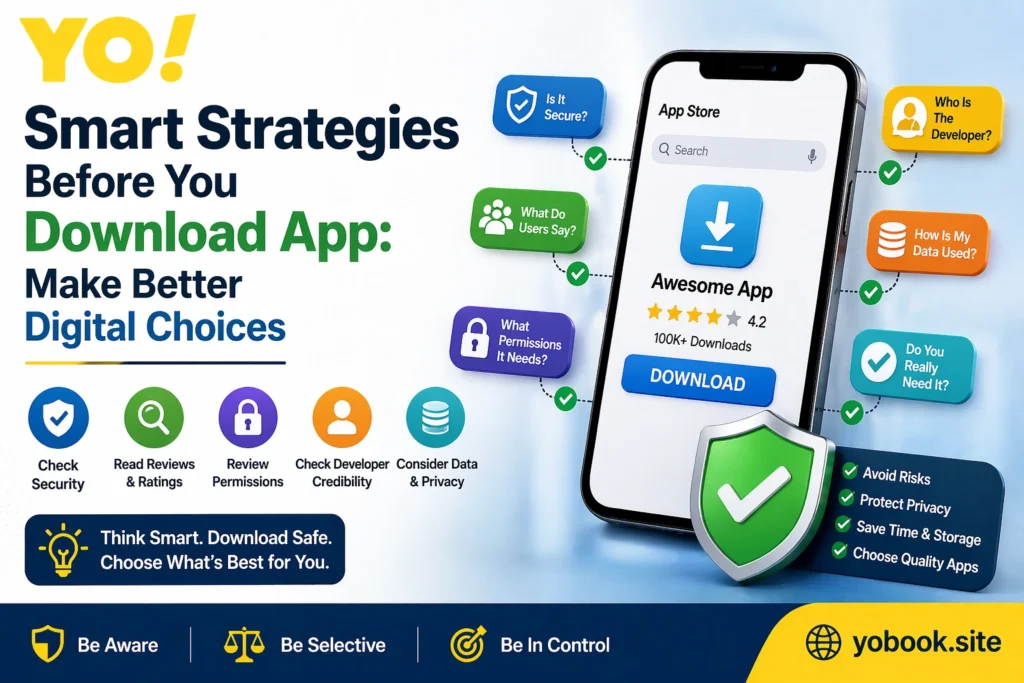
In a world where it takes only seconds to download app solutions, making thoughtful decisions has become more important than ever. While apps offer convenience and innovation, blindly choosing to download app platforms can lead to unnecessary risks and inefficiencies. Developing smart strategies ensures that every app you install adds real value instead of becoming digital clutter or a potential threat.
The first and most important step before you download app services is to evaluate the purpose. Ask yourself a simple question: Do I really need this app? Many users download app tools out of curiosity or trend-following, only to abandon them later. Identifying a clear purpose helps avoid unnecessary installations and keeps your device organized.
Another essential strategy is to check app permissions carefully. Every time you download app software, it requests access to certain features of your device. These permissions should align with the app’s function. For example, a calculator app should not need access to your contacts or location. Reviewing permissions before you download app platforms can significantly reduce privacy risks.
It is also crucial to read reviews and ratings before making the decision to download app services. User feedback often reveals real experiences, including bugs, performance issues, or hidden costs. Instead of focusing only on high ratings, look for consistent patterns in reviews. This helps you make a more informed choice when selecting which app to download.
Choosing the right source is another key factor. Always download app tools from trusted and official platforms. Avoid third-party websites or unknown links, as they may host modified or harmful versions of apps. Secure sources provide an added layer of protection, ensuring that the app you download is verified and safe.
Before you download app platforms, consider the developer’s credibility. Established developers with a history of reliable apps are generally more trustworthy. Unknown or suspicious developers may pose risks, especially if the app lacks proper information or transparency.
Managing storage is another practical strategy. Each time you download app software, it consumes space and system resources. Regularly reviewing installed apps and removing unused ones helps maintain device performance. Instead of continuously adding new apps, focus on keeping only those that are genuinely useful.
Users should also be mindful of hidden costs. Many apps encourage users to upgrade through subscriptions or in-app purchases. Before you download app services, check whether it includes paid features and understand the pricing structure. This prevents unexpected expenses and helps you stay within your budget.
Another effective approach is to limit notifications after you download app tools. Excessive notifications can lead to distractions and increased screen time. Customizing notification settings ensures that apps serve you without overwhelming your attention.
Security awareness is equally important. Installing antivirus software or using built-in security features can protect your device when you download app platforms. Regular updates also play a vital role in keeping apps secure and functioning properly.
Finally, adopt a mindset of digital minimalism. Instead of downloading multiple apps for similar purposes, choose one reliable option that meets your needs. This reduces complexity and improves overall efficiency.
In conclusion, the decision to download app solutions should never be rushed. By evaluating purpose, checking permissions, reading reviews, and prioritizing security, users can make smarter digital choices. These strategies not only protect your data and device but also ensure that every app you download contributes positively to your daily life.
Conclusion: Download App Wisely or Lose Control Digitally
The ability to download app solutions has undoubtedly reshaped modern life in ways that were once unimaginable. From simplifying daily routines to creating global connectivity, apps have become powerful tools that influence how we work, communicate, learn, and entertain ourselves. With just a single tap, users can unlock opportunities, solve problems, and access services that were once limited by time and location. However, this same convenience comes with a responsibility that many users often overlook.
As explored throughout this discussion, the decision to download app platforms is not just a technical action—it is a behavioral choice with real consequences. On one hand, apps provide speed, accessibility, personalization, and efficiency. They empower users to take control of their tasks and adapt to a fast-changing digital environment. On the other hand, the growing habit to download app services without careful consideration can lead to privacy risks, security threats, financial costs, and even digital addiction.
The modern user stands at a crossroads where every choice to download app tools contributes to a larger digital lifestyle. The question is no longer whether to download apps, but how to do it wisely. Blindly following trends, installing unnecessary apps, or ignoring permissions can gradually shift control away from the user. Over time, this can create dependency, reduce awareness, and expose individuals to avoidable risks.
At the same time, rejecting apps entirely is neither practical nor beneficial. Apps are deeply integrated into modern systems, and avoiding them would mean missing out on valuable opportunities. The goal, therefore, is balance. Users must learn to approach app downloads with awareness, intention, and discipline.
Making smarter decisions begins with asking the right questions before choosing to download app platforms: Is this app necessary? Is it सुरक्षित? What data does it collect? Does it truly add value to my life? These simple considerations can make a significant difference in how technology impacts daily living.
Equally important is developing healthy digital habits. Limiting unnecessary downloads, managing screen time, and staying informed about security practices can help users maintain control. Instead of letting apps dictate behavior, users should ensure that apps remain tools that serve their needs.
The future of the digital world will only increase the importance of apps. As technology continues to evolve, the options to download app solutions will expand, offering even more advanced features and capabilities. This makes it even more critical for users to stay mindful and informed.
In the end, the power lies in the user’s hands. To download app is easy—but to do it wisely is what truly matters. The difference between convenience and chaos depends on the choices we make. By staying aware, cautious, and intentional, users can enjoy the benefits of apps without losing control in an increasingly digital world.
Frequently Asked Questions (FAQs) About Download App
1. What does it mean to download app?
To download app means installing a software application on your device, such as a smartphone or tablet, so you can use its features and services. It usually involves getting the app from an official store and setting it up for use.
2. Is it safe to download app from any website?
No, it is not always safe. You should only download app files from trusted and official platforms. Downloading from unknown sources can expose your device to malware, viruses, or data theft.
3. Why do apps ask for permissions when I download app?
When you download app services, they may request permissions to access features like camera, location, or contacts. These permissions help the app function properly, but you should always review them to ensure they are necessary.
4. Can I download app for free?
Yes, many apps are free to download. However, some may include in-app purchases or subscriptions. Before you download app platforms, it’s important to check if there are any hidden costs.
5. How many apps should I download on my phone?
There is no fixed number, but it is better to download app tools that you actually use. Installing too many apps can slow down your device and create unnecessary clutter.
6. What should I check before I download app?
Before you download app services, check user reviews, ratings, permissions, developer credibility, and whether the app meets your needs. This helps you make a safe and smart decision.
7. Can downloading too many apps affect my phone?
Yes, when you continuously download app files, it can reduce storage space, slow down performance, and drain battery life. Regularly removing unused apps helps maintain your device.
8. Are all popular apps safe to download app?
Not always. Even if an app is popular, you should still verify its authenticity and permissions before you download app versions. Some fake apps may look similar to real ones.
9. Where can I learn more about apps and digital tools?
You can explore helpful resources and insights about apps by visiting this internal link:
yobooksite
For additional global perspectives and updates related to apps and platforms, you can also check:
dream11global
10. What is the best way to download app safely?
The best approach is to download app tools from official stores, read reviews, check permissions, and avoid unnecessary installations. Staying cautious ensures a safe and smooth digital experience.