
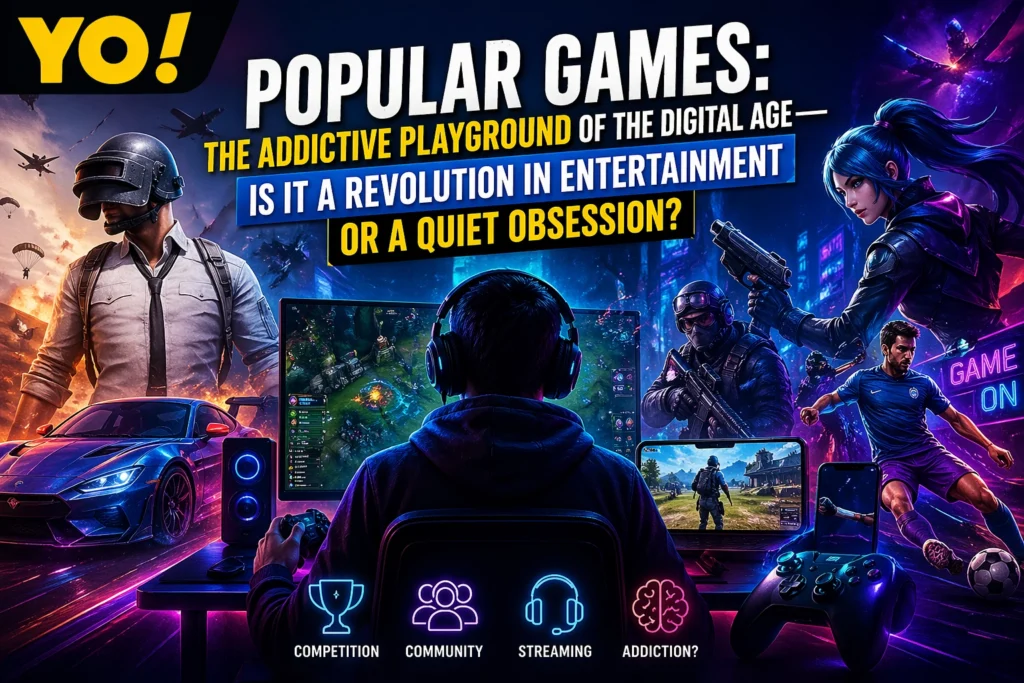
Introduction: The Expanding Universe of Popular Games
“Popular Games” is no longer just a trending phrase—it defines a powerful shift in how people spend their time, connect with others, and experience entertainment in the digital age. From mobile screens to high-end gaming consoles, the influence of popular games has reached every corner of the world, especially within the rapidly growing online gaming community.
What makes popular games so compelling is their ability to blend technology, creativity, and human psychology into one immersive experience. Whether it’s competing in fast-paced multiplayer battles, exploring vast virtual worlds, or simply passing time with casual games, players are constantly drawn into these digital environments.
However, the rise of popular games also raises important questions. Are they simply a modern form of fun and relaxation, or do they carry hidden consequences that affect mental health, productivity, and real-life relationships? As online gaming continues to evolve, understanding its true impact becomes more important than ever.
This article dives deep into the world of popular games, exploring both their powerful advantages and their potential downsides—helping you see the full picture behind the screens.
The Evolution and Growth of Popular Games
The journey of popular games from simple pixel-based designs to highly immersive digital worlds is nothing short of extraordinary. In the early days, games were limited by technology—basic graphics, minimal interaction, and single-player experiences. Today, popular games have transformed into complex ecosystems powered by advanced technology, global connectivity, and continuous innovation.
One of the biggest drivers behind this growth is the rise of the internet. Online gaming has allowed players from different parts of the world to connect in real time, turning games into shared social experiences rather than isolated activities. What once required physical presence—competition, teamwork, and collaboration—can now happen instantly across continents.
Another major factor is the accessibility of gaming platforms. With the widespread use of smartphones, popular games are no longer restricted to expensive consoles or high-end PCs. Anyone with a mobile device and an internet connection can participate in the online gaming world. This has significantly expanded the gaming audience, bringing in players of all ages and backgrounds.
Technological advancements have also played a crucial role. High-definition graphics, realistic sound design, artificial intelligence, and cloud gaming have elevated the gaming experience to new heights. Modern popular games often feel like interactive movies, offering rich storytelling and lifelike environments that keep players engaged for hours.
In addition, the gaming industry has embraced regular updates and live events. Developers constantly introduce new features, challenges, and content to keep games fresh and exciting. This ongoing evolution ensures that popular games remain relevant and continue to attract both new and returning players.
The growth of streaming platforms and content creation has further amplified the reach of popular games. Gamers are no longer just players—they are entertainers, influencers, and community builders. Watching others play has become just as popular as playing itself, adding another layer to the online gaming ecosystem.
As a result, popular games have evolved beyond mere entertainment. They have become a cultural force, shaping trends, conversations, and even careers in today’s digital world.
Key Features That Define Popular Games
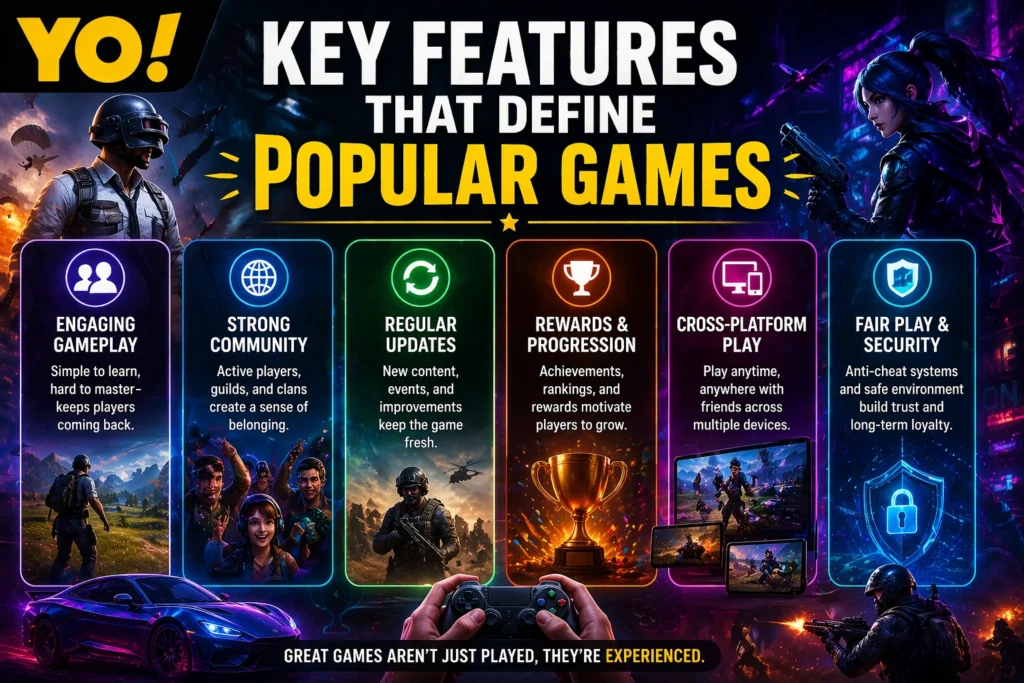
Not every game earns the label of “popular.” In the highly competitive online gaming world, only a few manage to capture and sustain massive audiences. What sets popular games apart is not luck—it’s a combination of carefully designed features that keep players engaged, challenged, and emotionally invested.
One of the most important elements is engaging gameplay. Popular games are easy to start but difficult to master. This balance allows beginners to enter without frustration while still offering depth for experienced players. The constant challenge keeps users coming back, driven by the desire to improve and achieve higher levels.
Another defining feature is multiplayer interaction. Online connectivity allows players to compete or collaborate with others in real time. Whether it’s teaming up with friends or facing opponents from around the world, this social aspect adds excitement and unpredictability. It also creates a sense of belonging, as players become part of larger gaming communities.
Regular updates and live content are also crucial. Popular games are never static—they evolve continuously. Developers introduce new maps, characters, missions, and events to maintain interest. This dynamic nature prevents boredom and keeps the gaming experience fresh.
A strong reward and progression system plays a major role as well. Players are motivated by achievements, rankings, and unlockable content. Earning rewards creates a sense of accomplishment, while progression systems give players clear goals to work toward.
Cross-platform availability has further boosted the reach of popular games. The ability to play the same game on mobile, PC, or console makes gaming more flexible and inclusive. Players are no longer limited by hardware, which helps games attract a wider audience.
Additionally, competitive elements such as leaderboards, tournaments, and rankings add intensity. These features tap into the human desire for recognition and success, turning casual players into dedicated competitors.
Finally, visual appeal and immersive design cannot be ignored. High-quality graphics, realistic environments, and captivating sound design enhance the overall experience. Players are not just playing a game—they are stepping into a virtual world.
Together, these features form the foundation of what makes popular games truly stand out in the crowded online gaming landscape.
The Positive Impact of Popular Games
Popular games have often been criticized, but their positive influence is just as powerful and deserves equal attention. In the modern online gaming world, these games are not only a source of entertainment but also tools for learning, connection, and personal growth.
One of the most immediate benefits is entertainment and stress relief. Popular games provide an escape from daily pressures, allowing players to relax and recharge. Whether it’s a quick mobile session or an extended multiplayer match, gaming offers a break from routine and helps improve mood.
Another significant advantage is the development of cognitive skills. Many popular games require players to think strategically, make quick decisions, and adapt to changing situations. This constant mental engagement can improve memory, focus, and problem-solving abilities. Players often learn to analyze situations faster and respond more effectively.
Popular games also play a major role in social interaction. Online gaming connects people across the globe, creating communities that go beyond geographical boundaries. Players collaborate, communicate, and build friendships through shared experiences. For many individuals, especially those who may feel isolated, gaming becomes a platform for meaningful social connection.
In addition, the rise of popular games has opened doors to career opportunities. The online gaming industry now supports a wide range of professions, including professional players, streamers, content creators, game designers, and developers. What was once seen as a pastime has evolved into a legitimate career path for many.
Creativity is another area where popular games shine. Many games encourage players to design characters, build structures, or create custom content. This not only enhances imagination but also allows players to express themselves in unique ways. Some even go on to pursue careers in creative fields inspired by their gaming experiences.
Moreover, popular games can foster teamwork and communication skills. Multiplayer games often require coordination and cooperation, teaching players how to work effectively with others. These skills can be valuable in real-life situations, including education and professional environments.
In essence, popular games are more than just digital развлечment—they are platforms that can educate, connect, and inspire when used in a balanced and mindful way.
The Negative Side of Popular Games
While popular games offer entertainment and opportunities, ignoring their downsides would give an incomplete picture. The same elements that make these games engaging can also make them overwhelming and, in some cases, harmful when not managed properly.
One of the most serious concerns is addiction. Popular games are designed to keep players engaged for long periods through rewards, challenges, and continuous progression. This can lead to excessive screen time, where players lose track of hours and begin to prioritize gaming over studies, work, or personal responsibilities. Over time, this imbalance can disrupt daily life.
Another major issue is the impact on mental health. Although gaming can reduce stress in moderation, excessive involvement may contribute to anxiety, irritability, and even depression. Competitive environments, constant pressure to win, and exposure to negative interactions can affect emotional well-being. Players may also experience frustration and burnout after long gaming sessions.
Social isolation is another hidden drawback. Even though online games connect people virtually, they can sometimes replace real-life interactions. Spending too much time in virtual environments may reduce face-to-face communication with family and friends, leading to weakened real-world relationships.
Financial concerns are also growing in the online gaming world. Many popular games follow a microtransaction model, encouraging players to spend money on in-game items, upgrades, or exclusive content. This can become problematic, especially for younger players who may not fully understand spending limits. In some cases, it creates a “pay-to-win” environment, where success depends more on money than skill.
Physical health is often overlooked but equally important. Long hours of gaming can result in eye strain, headaches, poor posture, and lack of physical activity. A sedentary lifestyle can lead to long-term health issues if not balanced with regular exercise and movement.
Another concern is the presence of toxic behavior in gaming communities. Online interactions are not always positive—players may encounter harassment, bullying, or offensive language. This can create a negative experience, particularly for new or younger players.
In the end, the negative side of popular games is not about the games themselves, but how they are used. Without awareness and self-control, what begins as entertainment can gradually turn into a source of stress and imbalance.
Popular Game Genres Dominating the Online Gaming World
The success of popular games is not limited to a single style or format. The online gaming industry is filled with diverse genres, each offering unique experiences that appeal to different types of players. These genres play a major role in shaping what we recognize today as popular games.
One of the most dominant categories is Battle Royale games. These games drop multiple players into a large map where they compete to be the last one standing. The thrill of survival, combined with fast-paced action and unpredictability, makes this genre extremely addictive. Each match feels different, keeping players constantly engaged.
Another highly popular genre is Multiplayer Online Battle Arena (MOBA). These games focus on teamwork and strategy, where two teams compete to achieve specific objectives. Players must coordinate, plan, and execute strategies together, making communication and cooperation essential for success.
First-Person Shooter (FPS) games are also a major part of the online gaming world. These games emphasize combat, precision, and quick reflexes. Players experience the game through the eyes of their character, which adds intensity and realism to the gameplay. FPS games are especially popular in competitive and eSports environments.
Then there are Role-Playing Games (RPGs), which focus on storytelling, character development, and exploration. Players take on the roles of characters in detailed virtual worlds, making choices that influence the outcome of the game. This genre attracts those who enjoy immersive narratives and long-term progression.
Casual and mobile games have also become a huge part of popular games. These games are simple, easy to play, and accessible to all age groups. They are perfect for short gaming sessions and have significantly contributed to the expansion of the gaming audience worldwide.
Additionally, simulation and sandbox games allow players to create, build, and control virtual environments. These games emphasize creativity and freedom, giving players the ability to shape their own experiences rather than follow a fixed storyline.
Each of these genres contributes to the diversity and growth of popular games. Together, they ensure that there is something for everyone in the online gaming world—whether someone seeks competition, creativity, or casual fun.
The Future of Popular Games in the Online Gaming World
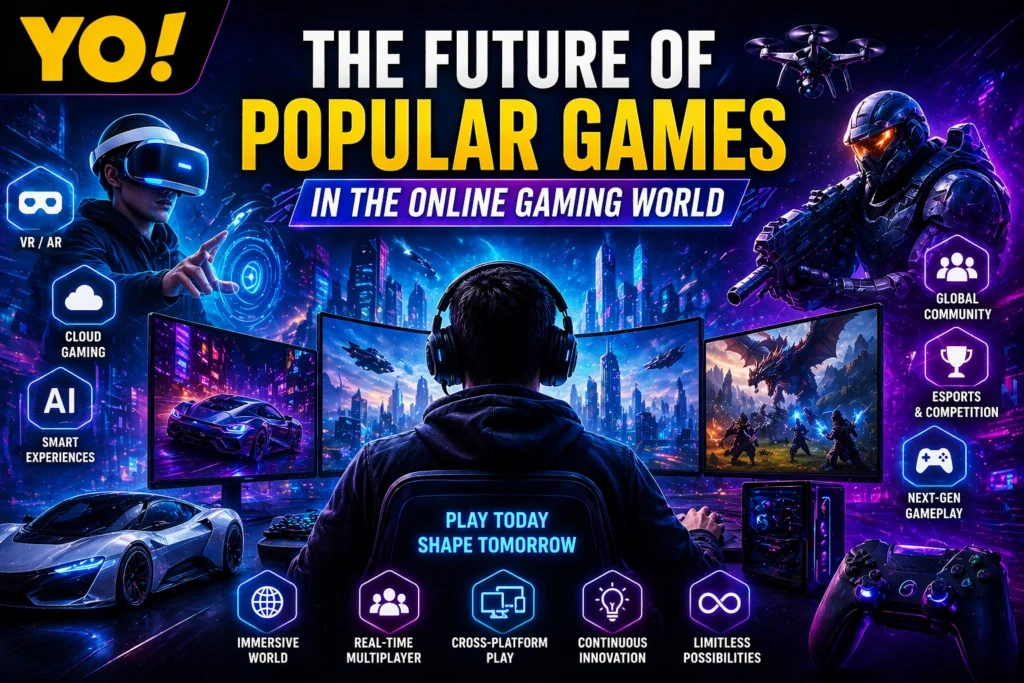
The journey of popular games is far from over—in fact, it is only accelerating. As technology continues to evolve, the online gaming world is entering a new phase where the boundaries between reality and virtual experience are becoming increasingly blurred.
One of the most exciting developments is the rise of immersive technologies such as virtual reality (VR) and augmented reality (AR). These innovations are transforming how players interact with games, allowing them to step inside digital environments rather than simply control characters on a screen. In the future, popular games may feel less like something you play and more like a world you live in.
Another major shift is the growth of cloud gaming. With this technology, players no longer need expensive hardware to enjoy high-quality games. Instead, games are streamed directly over the internet, making them more accessible to a wider audience. This could further expand the reach of popular games, especially in regions where high-end devices are not common.
The integration of artificial intelligence (AI) is also set to redefine gaming experiences. Smarter non-player characters, adaptive gameplay, and personalized challenges will make games more dynamic and engaging. Each player could have a unique experience tailored to their skill level and preferences.
The future will also see continued growth in eSports and competitive gaming. Tournaments, leagues, and professional teams are already gaining massive audiences. As popular games become more competitive, they will continue to blur the line between entertainment and professional sport.
In addition, the concept of digital economies within games is expanding. Players can earn, trade, and even monetize in-game assets. This opens up new opportunities but also raises questions about regulation and fairness.
However, with all these advancements, the challenges will also grow. Issues like gaming addiction, data privacy, and online safety will need more attention. Developers, platforms, and players will all have to take responsibility to ensure that the future of popular games remains positive and balanced.
Ultimately, the future of popular games is not just about better graphics or faster performance—it’s about creating meaningful, engaging, and responsible experiences that enhance lives rather than dominate them.
Conclusion: Popular Games—Power, Pleasure, and Responsibility
“Popular Games” have become one of the most influential elements of the digital world. They entertain millions, connect people across borders, and create opportunities that didn’t exist a decade ago. From casual fun to professional careers, the online gaming world has proven its power and reach.
At the same time, this influence comes with responsibility. The same games that offer relaxation and excitement can also lead to addiction, stress, and imbalance if not used wisely. This dual nature makes popular games both fascinating and complex.
The key lies in how players choose to engage. When approached with awareness and moderation, popular games can be a positive force—enhancing skills, building relationships, and providing meaningful entertainment. But without limits, they can quickly shift from being a source of joy to a source of concern.
As the online gaming industry continues to grow, one thing remains clear: popular games are here to stay. They will keep evolving, shaping culture and technology in ways we are only beginning to understand.
In the end, it is not just about playing games—it is about playing them responsibly.
Enjoy the game, but don’t let the game control you.
Frequently Asked Questions (FAQs) About Popular Games
1. What are popular games in the online gaming world?
Popular games are those that attract a large number of players globally due to their engaging gameplay, multiplayer features, regular updates, and strong community presence. These games often trend across platforms and remain relevant for long periods.
2. Why are popular games so addictive?
Popular games use reward systems, achievements, and progression mechanics that keep players engaged. Features like competition, social interaction, and limited-time events also make players want to return frequently.
3. Are popular games good or bad for players?
Popular games can be both beneficial and harmful. They provide entertainment, improve cognitive skills, and encourage social interaction. However, excessive gaming can lead to addiction, mental stress, and reduced productivity.
4. Can I earn money from popular games?
Yes, many players earn money through streaming, eSports, content creation, and in-game economies. Platforms and communities continue to expand opportunities in the online gaming industry.
5. How can I play popular games safely?
To play safely, set time limits, avoid overspending on in-game purchases, take regular breaks, and engage in positive gaming communities. Balance between gaming and real-life responsibilities is essential.
6. Which platform is best for exploring gaming insights and content?
You can explore more insights, updates, and engaging content about popular games on yobooksite which provides valuable information related to online trends and gaming.
7. Are there platforms related to fantasy gaming like Dream11?
Yes, fantasy gaming platforms are also gaining popularity. You can check out dream11global for more information about fantasy sports and online gaming experiences.
8. What is the future of popular games?
The future of popular games includes advancements in virtual reality, artificial intelligence, and cloud gaming. These innovations will make gaming more immersive, accessible, and interactive than ever before.